
Understanding the Buddhist View of Life and Death
This course is closed.
Classes begin on April 1, 2026.
Open Enrollment ends on March 24th.
What if the secret of learning how to die well is really about learning how to live well?
In this Buddhism 101 online course, we explore the Buddhist understanding of life, death, and impermanence in a practical and accessible way. By shifting our perspective even slightly, subtle changes in how we meet each moment can transform the way we live and eventually how we die—while also positively affecting those around us. Drawing from excerpts of How We Live Is How We Die, along with additional Buddhist teachings, contemporary clinical perspectives, and Clear Light practices, we examine how everyday habits shape the way we meet change, loss, fear, anxiety, and ultimately death. Rather than avoiding the subject, we approach it directly and compassionately.
This course is not about morbidity. It is about freedom—freedom from the many forms of distress that touch our lives: physical, emotional, and spiritual. Rather than focusing on a medical model of suffering, this course gently cultivates discernment and awareness, helping us recognize how our assumptions shape our experience so we can lean toward what is possible and meet life with greater openness. When we understand impermanence and the mind’s habitual patterns, we gain tools to live with greater courage, steadiness, and gratitude.
Over four Wednesday classes, you will learn:
- The Buddhist view of dying and the journey of life and death
- How we live every day in the bardos — the natural states of transition and change
- How daily mental habits influence end-of-life experience
- How to work skillfully with fear, anxiety, and resistance
- The role of Clear Light Meditation in preparing the mind
- Practical contemplative tools for facing uncertainty
- Insights from both Buddhist and clinical end-of-life care
By the end of the course, you will:
- Understand core Buddhist teachings on impermanence and death
- Develop practices that reduce fear and increase clarity
- Strengthen emotional resilience during life transitions
- Gain confidence to approach conversations about dying
- Leave with meditation tools you can use immediately
The Instructor
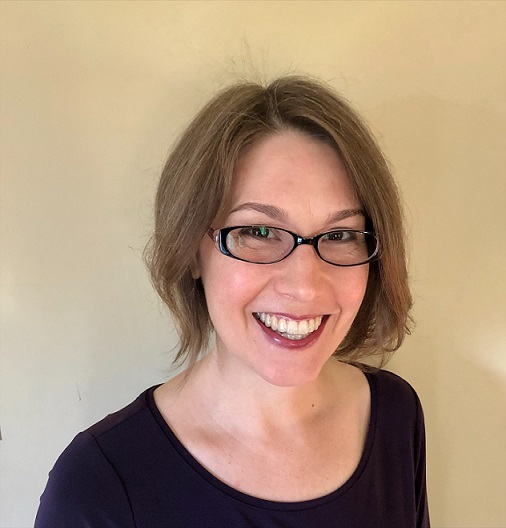
The course will be led by Melissa Lewis, RN, BSN, Certified Palliative & Hospice Care Nurse who brings over 30 years of contemplative experience and clinical end-of-life care. Since beginning Zen practice in 1995 and training with the Clear Light Society, Melissa has combined Buddhist practice with hospice nursing and integrative wellness. Her unique blend of spiritual training and professional hospice experience offers students both depth and grounded realism.
101 – Open Enrollment & No Prerequisites
This course is part of the Buddhism 101 course series, designed to offer accessible and engaging introductions to various aspects of Buddhist philosophy and practice. Each module in this series stands alone, meaning you can enroll in any module without needing to complete others first. Whether you’re new to Buddhism or deepening an existing practice, you can jump into the topics that interest you most without worrying about prerequisites.
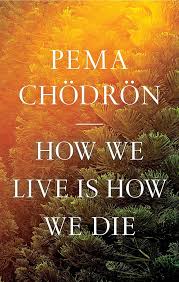
Book Selection
How We Live Is How We Die by Pema Chodron
Purchase this book from your favorite bookseller.
Course Dates & times
This gentle course will meet online for 4-classes on Wednesdays at 7 PM for 1.5 hours in the month of April, except on April 15th. The course dates are: April 1, 8, 22 & 29

The Course
Course Requirements: This 101 Course module has four components to be completed by the students.
- No prerequisites. Beginner-friendly.
- Reading the assigned excepts from the book and striving to complete the assignments.
- Attending the online classes.
- Attending our Sunday morning gathering if your live in Connecticut or local group.
- Reflect on and apply what is learned.
Attendance & Commitment: If you live in Connecticut, all students should strive to attend the Sunday morning Meditation & Talk Meeting attendance from the beginning to the end of the course. If you live outside of Connecticut, you should seek a local Buddhist group in your area (if there is one). This is part of the sedimentation process that allows students to assimilate the teachings into our daily life and to learn from other experienced teachers and practitioners. Community practice is an important component of the Buddha’s Way to spiritual transformation. We cannot do it alone and we need the sangha (community of practitioners) to help us along the journey.
Discipline: In order to experience spiritual transformation and realize understanding one must be committed to the process such as practicing at home, work and in relationships, attending the classes, a local Buddhist practice meeting, and completing all of the assignments. Our 101 course is not a book discussion group but is a structured program to help you to understand and live the Buddha’s teachings in everyday life.
Assignments: All assignments will be sent to students by email and must be completed before class. The course assignments will not cover every chapter in either book, and the instructor asks students not to worry if they are not able to complete all of the readings. The first homework assignment is due at the first class meeting.
Books: Students are responsible to purchase their course books at a local bookseller or online. We suggest students purchase all books well in advance in order to allow enough time for delivery & the completion of assignments.
Limited enrollment. Sign up early to have the best chance of getting a place at the course and have the time to order and receive the books, and complete the 1st class assignment.
Contribution: $195
Be sure to read on the ticket the Refund Policy Disclaimer of Responsibility, Code of Conduct, & Image Release Agreement. By registering to this event, you have confirmed and agreed to these policies, agreements, code of conduct.
Certificate, Becoming a Buddhist & Teacher
Upon completion of the Buddhist 101 modules – along with one additional course and retreats, students will be eligible for graduation. The requirements for graduation include:
- Class attendance
- Assignment completion
- Retreat experience
- Sunday morning attendance or participation in a local group
A Graduation Ceremony will be conducted at two locations:
- At the Buddhist Faith Fellowship in Middletown for Connecticut residents
- A special online ceremony for students outside of Connecticut
During this ceremony, graduates will receive an Affirmation Certificate. Those who wish to formally become Buddhists may participate in an optional Affirmation Ceremony, which includes:
- Going for Refuge in the Three Jewels
- Reciting the Bodhisattva vows
- Reciting the Five Precepts
- Receiving the community’s kata
- Choosing a meaningful dharma name
Your instructor can provide information about this opportunity during the course. The Buddhism 101 course will serve as a basic requirement for future programs when the Buddhist Faith Fellowship reopens its pathway for those seeking to become certified Associate Lay Dharma Teachers, completion of this course will be a prerequisite.